Pregnancy is a transformative period in a woman's life, marked by physiological and emotional changes that require careful consideration, especially when it comes to physical activity. The question of how much exercise is safe during pregnancy has been a topic of ongoing research and debate among healthcare professionals. Recent studies have sought to establish evidence-based guidelines to help expectant mothers maintain an active lifestyle without compromising their health or that of their developing baby.
For decades, pregnant women were often advised to avoid strenuous exercise due to concerns about potential risks such as preterm labor or restricted fetal growth. However, modern medical understanding has shifted significantly. We now recognize that regular, moderate-intensity exercise can offer numerous benefits, including improved cardiovascular health, better weight management, and reduced risk of gestational diabetes. The key lies in understanding what constitutes a safe intensity threshold and how to adapt workouts as pregnancy progresses.
The concept of exercise intensity during pregnancy requires a nuanced approach. Unlike general fitness guidelines, prenatal exercise recommendations must account for the dramatic changes occurring in a woman's body. Blood volume increases by up to 50%, the heart works harder even at rest, and hormonal changes affect joint stability. These physiological adaptations mean that perceived exertion during pregnancy differs significantly from non-pregnant states. Researchers have developed specialized scales to help pregnant women gauge their effort levels accurately.
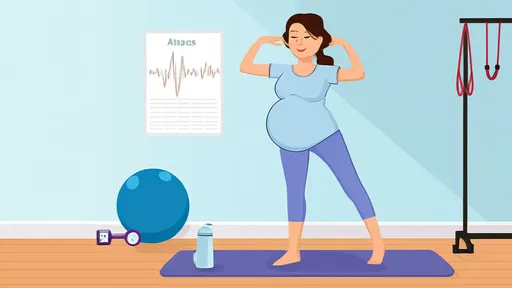
Current guidelines from organizations like the American College of Obstetricians and Gynecologists (ACOG) suggest that most pregnant women can safely engage in at least 150 minutes of moderate-intensity aerobic activity per week. This translates to about 30 minutes on most days. Moderate intensity is typically defined as activity that raises the heart rate noticeably but still allows for conversation without gasping for breath. Activities like brisk walking, swimming, stationary cycling, and modified yoga often fall into this category.
Recent studies have explored whether more vigorous exercise might also be safe for women who were highly active before pregnancy. Some research indicates that well-conditioned athletes can maintain higher-intensity workouts with proper monitoring. However, experts emphasize the importance of individualized assessment and ongoing communication with healthcare providers. The safety threshold isn't static—it evolves throughout pregnancy and varies between individuals based on factors like fitness history, overall health, and specific pregnancy-related considerations.
Monitoring intensity becomes particularly crucial as pregnancy advances. The second and third trimesters bring additional physical changes that affect exercise capacity and safety. The growing uterus shifts the body's center of gravity, potentially affecting balance. Hormonal changes continue to loosen joints, increasing injury risk. Blood pressure responses to exercise may change as well. Many experts recommend using the "talk test" as a simple but effective way to monitor intensity—if a woman can maintain a conversation during exercise, she's likely staying within safe limits.
Emerging research has also investigated the upper limits of safe exercise intensity during pregnancy. While earlier studies focused primarily on potential risks, newer approaches examine the possible benefits of maintaining higher fitness levels. Some findings suggest that women who exercise at higher intensities (within carefully monitored parameters) may experience easier labors and faster postpartum recovery. However, these observations require more extensive study before becoming standard recommendations.
Special considerations apply to certain high-intensity activities. Exercises that involve jumping, quick direction changes, or supine positions (lying on the back) after the first trimester generally require modification or avoidance. Similarly, activities with high fall risk or potential for abdominal trauma need careful evaluation. The changing body demands a flexible approach to exercise programming, with regular adjustments to accommodate physical changes and comfort levels.
Temperature regulation during exercise represents another critical factor in determining safe intensity thresholds. Pregnant women are more susceptible to overheating, which can potentially affect fetal development, especially in the first trimester. Experts recommend avoiding exercise in hot, humid conditions and staying well-hydrated. Monitoring ambient temperature and wearing appropriate clothing become essential components of safe prenatal exercise.
The psychological aspects of exercise intensity shouldn't be overlooked. Pregnancy can be an emotionally charged time, and physical activity often serves as an important stress management tool. Finding the right intensity—one that provides challenge without causing excessive fatigue or anxiety—can contribute significantly to mental wellbeing. Many women report that maintaining an exercise routine helps them feel more connected to their changing bodies and more prepared for the physical demands of childbirth.
As research continues to evolve, so too does our understanding of exercise intensity thresholds during pregnancy. What remains clear is that physical activity, when appropriately prescribed and monitored, offers far more benefits than risks for most expectant mothers. The current consensus emphasizes personalized approaches that consider each woman's unique circumstances, preferences, and pregnancy progression.
Ultimately, the safest intensity threshold is one that aligns with a woman's pre-pregnancy fitness level, accounts for her current health status, and adapts as her pregnancy develops. Regular communication with healthcare providers ensures that exercise remains a positive contributor to maternal and fetal health throughout this extraordinary journey. As we continue to learn more about the remarkable adaptability of the pregnant body, exercise guidelines will likely become even more refined, empowering women to make informed choices about their physical activity during this special time.

By /Jul 21, 2025

By /Jul 21, 2025

By /Jul 21, 2025

By /Jul 21, 2025

By /Jul 21, 2025

By /Jul 21, 2025

By /Jul 21, 2025

By /Jul 21, 2025

By /Jul 21, 2025

By /Jul 21, 2025
By /Jul 21, 2025

By /Jul 21, 2025

By /Jul 21, 2025

By /Jul 21, 2025

By /Jul 21, 2025

By /Jul 21, 2025

By /Jul 21, 2025

By /Jul 21, 2025

By /Jul 21, 2025

By /Jul 21, 2025