When it comes to choosing the right athletic shoes, many people focus primarily on style or brand reputation. However, the true measure of a great sports shoe lies in its ability to provide adequate protection for different types of physical activities. The concept of a "sports protection index" varies significantly depending on the shoe type, as each design caters to specific movements and impact levels. Understanding these differences can help athletes and casual wearers alike make informed decisions that prioritize foot health and performance.
Running shoes are engineered to absorb the repetitive impact of forward motion. The protection index for these shoes is heavily influenced by cushioning technology, arch support, and heel stability. Brands invest heavily in research to develop midsoles that distribute force evenly, reducing strain on joints. A high-quality running shoe will typically feature advanced foam compounds or gel inserts that compress upon impact and quickly rebound, offering both shock absorption and energy return. The outsole's tread pattern also plays a crucial role in protection, as proper traction prevents slips that could lead to injuries.
Basketball demands sudden changes in direction, jumps, and lateral movements, making basketball shoes fundamentally different in their protective design. Ankle support becomes paramount in these high-top designs, with many models incorporating reinforced collars or strap systems to stabilize the joint during quick pivots. The protection index for basketball footwear considers not just impact absorption but also torsional rigidity - the shoe's ability to resist twisting forces that could otherwise lead to sprains. The outsoles are made from durable rubber compounds that provide court grip while allowing for the sliding movements essential in defensive plays.
The protection requirements for trail running shoes differ markedly from their road-running counterparts. These shoes must account for uneven terrain, requiring aggressive lug patterns for traction and often incorporating rock plates to shield the foot from sharp objects. The protection index here evaluates not just impact absorption but also the shoe's ability to prevent ankle rolls on unstable surfaces. Many trail models feature waterproof membranes, adding another layer of protection against the elements. The trade-off comes in weight - the more protective features added, the heavier the shoe becomes, which can affect performance over long distances.
Cross-training shoes occupy a unique space in athletic footwear, designed to handle diverse movements from weightlifting to agility drills. Their protection index balances lateral support for side-to-side motions with enough stability for heavy lifts. The midsole construction often features dual-density foam - firmer in the heel for weight-bearing exercises and more responsive in the forefoot for explosive movements. The outsole typically has a flatter profile compared to running shoes, providing a stable base for lifting while still allowing enough flexibility for dynamic exercises.
Soccer cleats present an entirely different set of protection considerations. Unlike other athletic shoes, soccer footwear prioritizes ball feel and ground contact over cushioning. The protection index focuses on stud configuration appropriate for different field conditions, with firm ground cleats offering stability during cuts and soft ground models preventing excessive sinkage in wet conditions. Recent innovations include hybrid stud patterns and lightweight materials that offer protection against impact during tackles while maintaining the sensitivity needed for precise ball control.
For high-impact sports like volleyball or tennis, the protection index emphasizes shock absorption combined with responsive energy return. These shoes often feature herringbone or modified tread patterns that allow for multi-directional movement without sacrificing grip. The midfoot shank provides torsional stability during lateral cuts, while the toe box reinforcement protects against drag during serves or lunges. The challenge for designers lies in creating shoes durable enough to withstand the abrasive nature of court surfaces while remaining lightweight for quick reactions.
Minimalist shoes have gained popularity despite offering lower traditional protection metrics. Advocates argue that by allowing natural foot movement, these shoes strengthen muscles and improve proprioception, offering a different kind of protection against overuse injuries. The protection index for minimalist designs focuses on ground feel and flexibility rather than cushioning or support. However, the transition to such shoes requires gradual adaptation to prevent stress injuries, making them unsuitable for athletes accustomed to traditional supportive footwear.
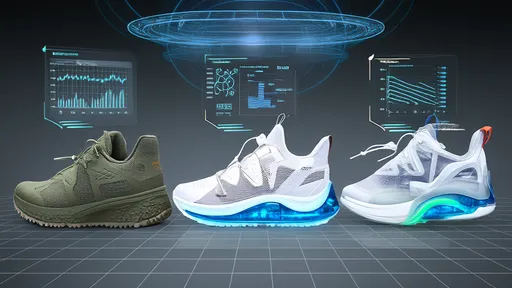
The protection capabilities of athletic shoes continue to evolve with material science advancements. New polymer blends offer unprecedented combinations of cushioning and responsiveness, while 3D printing allows for customized support structures tailored to individual biomechanics. Smart shoes with embedded sensors now provide real-time feedback on impact forces, potentially revolutionizing how we understand and measure sports protection. As our knowledge of sports medicine grows, so too does the sophistication of footwear designed to keep athletes safe during performance.
Ultimately, no single protection index can apply universally across all shoe types. The optimal athletic footwear depends on the specific demands of the sport or activity, the individual's biomechanics, and often personal preference developed through experience. What remains constant is the importance of matching shoe technology to athletic needs - a pairing that can mean the difference between peak performance and preventable injury. As consumers become more educated about these differences, manufacturers continue pushing the boundaries of what protective footwear can achieve.

By /Jul 21, 2025

By /Jul 21, 2025

By /Jul 21, 2025

By /Jul 21, 2025

By /Jul 21, 2025

By /Jul 21, 2025

By /Jul 21, 2025

By /Jul 21, 2025

By /Jul 21, 2025

By /Jul 21, 2025

By /Jul 21, 2025

By /Jul 21, 2025

By /Jul 21, 2025
By /Jul 21, 2025

By /Jul 21, 2025

By /Jul 21, 2025

By /Jul 21, 2025

By /Jul 21, 2025

By /Jul 21, 2025

By /Jul 21, 2025