For centuries, women have approached childbirth with both anticipation and apprehension, knowing that the miracle of life comes with intense physical demands. Among these, labor pain stands as one of the most significant challenges. While modern medicine offers pharmacological solutions like epidurals, a growing number of expectant mothers seek non-pharmacological approaches to manage pain. These methods not only provide relief but also empower women to actively participate in their birthing experience.
The concept of pain in labor is complex, influenced by physiological, psychological, and cultural factors. Unlike other types of pain, labor pain serves a purpose—it signals progress and guides the mother’s body through each stage of delivery. However, the intensity can be overwhelming. Non-pharmacological pain management techniques focus on working with the body’s natural processes rather than suppressing them. These methods often emphasize relaxation, movement, and emotional support, creating a holistic approach to childbirth.
One of the most well-researched techniques is hydrotherapy. Immersion in warm water has been shown to reduce pain and anxiety during labor. The buoyancy of water lessens the gravitational pull on the body, allowing muscles to relax and contractions to feel less intense. Many birthing centers now offer tubs or pools for laboring mothers, recognizing the therapeutic benefits of water. The warmth soothes tense muscles, while the gentle pressure of water against the skin provides a comforting sensation that can distract from pain.
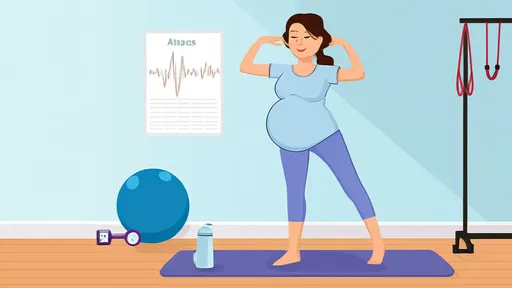
Movement and positioning play another critical role in non-pharmacological pain management. Unlike traditional hospital settings that confine women to beds, modern practices encourage walking, swaying, or rocking during labor. Upright positions, such as squatting or kneeling, can help the baby descend more efficiently, reducing the duration of labor. Even simple actions like shifting weight or leaning on a partner can make a noticeable difference. The freedom to move allows the pelvis to adjust, easing the baby’s passage and mitigating discomfort.
Breathing techniques remain a cornerstone of natural pain management. Controlled, rhythmic breathing helps oxygenate the body and maintain focus during contractions. Methods like Lamaze or hypnobirthing teach women to harness their breath as a tool, transforming pain into a manageable rhythm. Deep, deliberate breaths activate the parasympathetic nervous system, counteracting the stress response that can amplify pain. When combined with visualization or mantras, breathing becomes a powerful mental anchor during the intensity of labor.
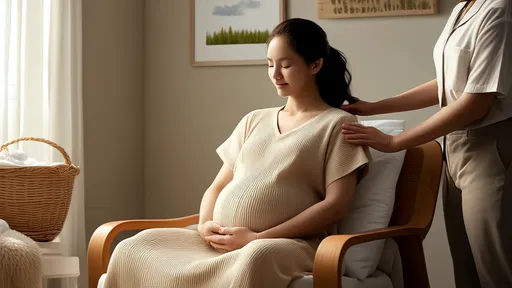
Touch and massage offer another layer of relief. Counterpressure applied to the lower back can alleviate the sharp sensations of back labor, while gentle strokes promote relaxation. The presence of a supportive partner or doula trained in these techniques can make a profound difference. Human touch releases oxytocin, the hormone responsible for uterine contractions and bonding, creating a positive feedback loop that eases both physical and emotional strain.
Environmental factors also influence pain perception. Dim lighting, soothing music, and familiar scents can transform a clinical space into a sanctuary. A calm atmosphere reduces adrenaline levels, which might otherwise hinder labor progress. Some women find comfort in vocalizing—moaning, chanting, or even singing—to release tension. These auditory expressions not only distract from pain but also engage the diaphragm, encouraging productive contractions.
Psychological preparation cannot be overlooked. Childbirth education classes demystify the process, equipping women with knowledge and confidence. Understanding the stages of labor and what to expect diminishes fear, which is often intertwined with pain. Techniques like mindfulness and meditation foster a sense of control, helping women reframe pain as a temporary and purposeful part of bringing life into the world.
While non-pharmacological methods require practice and commitment, their benefits extend beyond pain relief. Women who engage actively in their labor often report higher satisfaction with their birth experience, regardless of the eventual need for medical interventions. These approaches honor the body’s innate wisdom, offering a path to childbirth that is as much about empowerment as it is about endurance.
As maternity care evolves, the integration of these techniques into standard practice reflects a broader shift toward patient-centered care. Whether used alone or in combination with medical pain relief, non-pharmacological strategies provide women with options, allowing them to tailor their birth experience to their needs and values. In doing so, they reclaim childbirth as a deeply personal journey, one where pain is not merely something to be endured but understood and embraced as part of life’s most transformative moment.
By /Jul 21, 2025
By /Jul 21, 2025
By /Jul 21, 2025

By /Jul 21, 2025

By /Jul 21, 2025
By /Jul 21, 2025

By /Jul 21, 2025
By /Jul 21, 2025

By /Jul 21, 2025
By /Jul 21, 2025
By /Jul 21, 2025
By /Jul 21, 2025
By /Jul 21, 2025

By /Jul 21, 2025
By /Jul 21, 2025
By /Jul 21, 2025

By /Jul 21, 2025

By /Jul 21, 2025
By /Jul 21, 2025

By /Jul 21, 2025