Mitophagy-Inducing Compounds

Jul 21, 2025 By

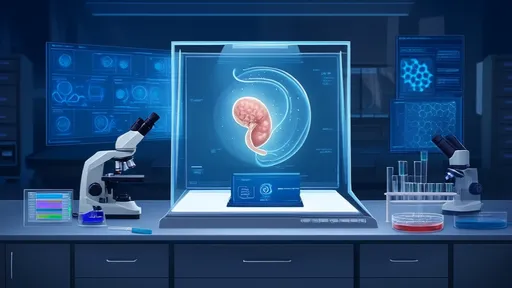
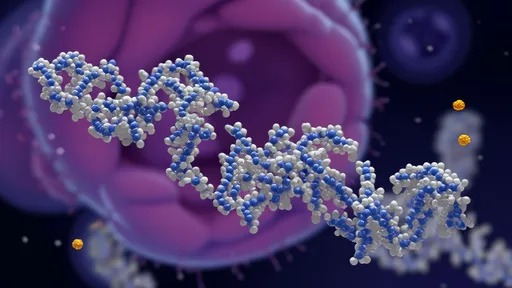
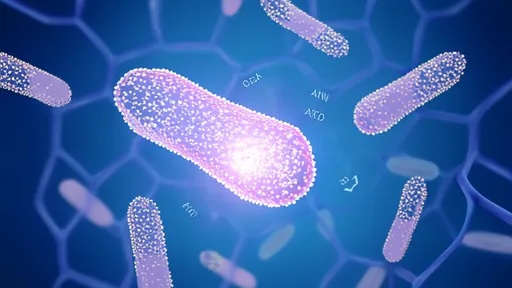
The discovery and development of mitophagy-inducing compounds have emerged as a groundbreaking area of research in cellular biology and therapeutic innovation. Mitophagy, the selective degradation of mitochondria by autophagy, plays a crucial role in maintaining cellular homeostasis by removing damaged or dysfunctional mitochondria. This process is essential for energy production, redox balance, and overall cell survival. As scientists delve deeper into understanding the mechanisms of mitophagy, the potential applications of these compounds in treating various diseases, including neurodegenerative disorders, cancer, and metabolic syndromes, are becoming increasingly apparent.

Understanding Mitophagy and Its Importance

Mitophagy is a highly regulated process that ensures the quality control of mitochondria, the powerhouses of the cell. Dysfunctional mitochondria can lead to the accumulation of reactive oxygen species (ROS), which in turn can cause cellular damage and contribute to the pathogenesis of numerous diseases. The process of mitophagy involves the recognition and targeting of damaged mitochondria for degradation through the autophagic machinery. Key players in this process include proteins such as PINK1 and Parkin, which are often mutated in familial forms of Parkinson's disease, highlighting the critical role of mitophagy in neuronal health.

Recent advances in molecular biology have identified several natural and synthetic compounds capable of inducing mitophagy. These compounds offer promising therapeutic potential by enhancing the clearance of defective mitochondria, thereby improving cellular function and resilience. Researchers are particularly interested in how these compounds can be harnessed to combat age-related diseases, where mitochondrial dysfunction is a common hallmark.

Natural Compounds That Induce Mitophagy

Several naturally occurring compounds have been found to stimulate mitophagy, often through mechanisms that mimic cellular stress responses. For example, resveratrol, a polyphenol found in red wine and grapes, has been shown to activate mitophagy via the SIRT1 pathway. This compound not only promotes mitochondrial turnover but also exhibits anti-aging and cardioprotective effects. Similarly, urolithin A, a metabolite derived from ellagitannins in pomegranates, has gained attention for its ability to enhance mitophagy and improve muscle function in aging models.

Another notable natural compound is spermidine, a polyamine found in foods like wheat germ and soybeans. Spermidine has been demonstrated to extend lifespan in various organisms by promoting autophagy, including mitophagy. Its ability to improve mitochondrial function and reduce oxidative stress makes it a compelling candidate for further research in age-related diseases. These natural compounds provide a foundation for developing safer and more effective mitophagy-inducing therapies.

Synthetic Compounds and Their Therapeutic Potential

In addition to natural compounds, researchers have developed synthetic molecules designed to specifically target mitophagy pathways. One such compound is niclosamide, an FDA-approved anthelmintic drug that has been repurposed for its mitophagy-inducing properties. Studies have shown that niclosamide can activate PINK1-Parkin-mediated mitophagy, making it a potential therapeutic agent for neurodegenerative diseases like Parkinson's.

Another promising synthetic compound is SR-18292, which has been shown to enhance mitophagy by modulating the PGC-1α pathway. This compound has demonstrated efficacy in improving mitochondrial function and reducing neurotoxicity in preclinical models of Huntington's disease. The development of these synthetic compounds highlights the potential for targeted therapies that can precisely regulate mitophagy to treat specific diseases.

Challenges and Future Directions

Despite the exciting progress in mitophagy research, several challenges remain. One major hurdle is the need for compounds that can selectively induce mitophagy without disrupting other essential cellular processes. Off-target effects and toxicity are significant concerns, particularly when developing drugs for chronic conditions. Additionally, the variability in mitophagy responses among different cell types and tissues complicates the translation of findings from lab models to human therapies.

Future research will likely focus on identifying novel mitophagy-inducing compounds with higher specificity and fewer side effects. Advances in high-throughput screening and computational modeling are expected to accelerate the discovery of such compounds. Moreover, understanding the interplay between mitophagy and other cellular pathways will be crucial for developing combination therapies that can address the multifaceted nature of diseases like cancer and neurodegeneration.

Conclusion

The exploration of mitophagy-inducing compounds represents a transformative approach to understanding and treating a wide range of diseases. By harnessing the power of natural and synthetic molecules to enhance mitochondrial quality control, researchers are paving the way for innovative therapies that could improve healthspan and combat age-related decline. As the field continues to evolve, the potential for these compounds to revolutionize medicine grows ever more promising, offering hope for patients with conditions that currently have limited treatment options.
Recommend Posts
Health

Targeted Elimination of Senescent Cells

By /Jul 21, 2025

The field of aging research has witnessed a groundbreaking shift with the emergence of targeted senescent cell clearance technologies. Once considered an inevitable consequence of life, cellular senescence is now being challenged as a modifiable factor in age-related decline. Scientists are pioneering innovative approaches to selectively eliminate these dysfunctional cells, opening new avenues for extending healthspan and potentially even lifespan.
Health

Real-time Breast Milk Composition Analysis Equipment

By /Jul 21, 2025

The field of infant nutrition has taken a revolutionary leap forward with the development of real-time breast milk composition analysis devices. These cutting-edge tools are transforming how mothers and healthcare providers understand the dynamic nature of human milk, offering unprecedented insights into its nutritional profile. Unlike traditional laboratory methods that require time-consuming sample collection and processing, these portable analyzers deliver instant results at the point of care.
Health

Biological Markers for Postpartum Depression

By /Jul 21, 2025

The journey into motherhood is often painted in hues of joy and fulfillment, but for many women, the postpartum period is overshadowed by an invisible adversary: postpartum depression (PPD). Affecting approximately 1 in 7 women, PPD is a complex interplay of emotional turmoil and biological shifts. Recent advances in neuroscience and endocrinology have begun to unravel the biological underpinnings of this condition, offering hope for earlier detection and more targeted interventions.
Health

Safety of Epigenetic Reprogramming

By /Jul 21, 2025

The field of epigenetic reprogramming has emerged as a revolutionary approach in regenerative medicine and aging research, offering the tantalizing possibility of resetting cellular aging and treating age-related diseases. However, as scientists delve deeper into the mechanisms and applications of this technology, concerns about its safety profile have come to the forefront. The potential risks, ranging from unintended genomic instability to the reactivation of dormant oncogenes, demand rigorous scrutiny before clinical translation.
Health

Analysis of Young Plasma Component Spectrum

By /Jul 21, 2025

The field of longevity research has witnessed a groundbreaking shift with the emergence of young plasma component profiling—a cutting-edge approach that analyzes the molecular composition of blood plasma from young donors. This innovative methodology has opened new avenues for understanding the complex interplay between youth-associated factors and age-related decline. Scientists are now meticulously cataloging the proteins, metabolites, and extracellular vesicles present in youthful circulation, creating what experts call the "plasma youthome."
Health

Guidelines for Patients with Fatty Liver Disease Dining Out

By /Jul 21, 2025

Eating out can be a delightful experience, but for individuals with fatty liver disease, it often comes with challenges. Navigating restaurant menus while keeping health in mind requires a thoughtful approach. The key lies in making informed choices that prioritize liver health without sacrificing enjoyment. With the right strategies, dining out can remain a pleasurable part of life while supporting overall well-being.
Health

Neurobiology of Parent-Child Attachment

By /Jul 21, 2025

The neurobiological foundations of parent-child attachment have long fascinated scientists and psychologists alike. This complex interplay between biology and behavior shapes human development in profound ways, influencing everything from emotional regulation to social cognition. At its core, attachment represents a dance of neurotransmitters, brain structures, and hormonal signals that create the invisible bonds connecting caregivers and children.
Health

Morning Movement Standards for Hypertension Patients

By /Jul 21, 2025

For individuals managing hypertension, the way they start their day can significantly impact their blood pressure levels and overall cardiovascular health. Morning routines, particularly the transition from sleep to activity, require careful consideration to avoid sudden spikes in blood pressure. The body undergoes natural changes during the early hours, and understanding how to move safely can make a profound difference.
Health

Diet Regulation of Longevity Gene Expression

By /Jul 21, 2025

The quest for longevity has fascinated humanity for centuries, with modern science now uncovering the intricate relationship between our dietary choices and the expression of genes associated with aging. Recent breakthroughs in nutrigenomics have revealed that what we eat doesn't just fuel our bodies - it communicates with our DNA, potentially activating or silencing genetic pathways that determine cellular lifespan.
Health

Delivery Systems for Telomerase Activators

By /Jul 21, 2025

The field of telomerase activation has witnessed remarkable progress in recent years, particularly in the development of advanced delivery systems designed to enhance the efficacy and precision of telomerase-targeted therapies. As researchers delve deeper into the mechanisms of cellular aging and cancer, the need for sophisticated delivery platforms has become increasingly apparent. These systems must navigate complex biological barriers while ensuring targeted action to avoid off-target effects that could compromise safety or therapeutic outcomes.
Health

Safe Threshold of Exercise Intensity During Pregnancy

By /Jul 21, 2025

Pregnancy is a transformative period in a woman's life, marked by physiological and emotional changes that require careful consideration, especially when it comes to physical activity. The question of how much exercise is safe during pregnancy has been a topic of ongoing research and debate among healthcare professionals. Recent studies have sought to establish evidence-based guidelines to help expectant mothers maintain an active lifestyle without compromising their health or that of their developing baby.
Health

Non-pharmacological Management of Labor Pain

By /Jul 21, 2025

For centuries, women have approached childbirth with both anticipation and apprehension, knowing that the miracle of life comes with intense physical demands. Among these, labor pain stands as one of the most significant challenges. While modern medicine offers pharmacological solutions like epidurals, a growing number of expectant mothers seek non-pharmacological approaches to manage pain. These methods not only provide relief but also empower women to actively participate in their birthing experience.
Health

Blocking Senescence-Associated Secretory Phenotype (SASP)

By /Jul 21, 2025

The scientific community has long been fascinated by the intricate mechanisms underlying cellular aging and its broader implications for organismal health. Among the most compelling developments in this field is the emerging understanding of senescence-associated secretory phenotype (SASP) and strategies to disrupt its detrimental effects. This phenomenon represents a double-edged sword in biology – while cellular senescence acts as a tumor suppressor mechanism, the accompanying SASP fuels chronic inflammation and tissue dysfunction.
Health

Different Shoe Types' Sports Protection Index"

By /Jul 21, 2025

When it comes to choosing the right athletic shoes, many people focus primarily on style or brand reputation. However, the true measure of a great sports shoe lies in its ability to provide adequate protection for different types of physical activities. The concept of a "sports protection index" varies significantly depending on the shoe type, as each design caters to specific movements and impact levels. Understanding these differences can help athletes and casual wearers alike make informed decisions that prioritize foot health and performance.
Health

Clinical Practice of Fetal Programming Theory

By /Jul 21, 2025

The concept of fetal programming has emerged as a groundbreaking framework in clinical medicine, reshaping our understanding of how early developmental environments influence lifelong health. This theory posits that the uterine environment—shaped by maternal nutrition, stress, and other factors—can "program" the fetus's physiology in ways that manifest as disease susceptibility decades later. Clinicians are now translating these insights into practical interventions, though the field remains ripe with unanswered questions and ethical considerations.
Health

Mitophagy-Inducing Compounds

By /Jul 21, 2025

The discovery and development of mitophagy-inducing compounds have emerged as a groundbreaking area of research in cellular biology and therapeutic innovation. Mitophagy, the selective degradation of mitochondria by autophagy, plays a crucial role in maintaining cellular homeostasis by removing damaged or dysfunctional mitochondria. This process is essential for energy production, redox balance, and overall cell survival. As scientists delve deeper into understanding the mechanisms of mitophagy, the potential applications of these compounds in treating various diseases, including neurodegenerative disorders, cancer, and metabolic syndromes, are becoming increasingly apparent.
Health

Diabetic Snack Choices: Red Light, Yellow Light, Green Light

By /Jul 21, 2025

For individuals managing diabetes, making informed food choices is a daily necessity. Snacking, often considered a minor part of the diet, plays a significant role in maintaining stable blood sugar levels. The concept of a "traffic light" system—categorizing foods as red, yellow, or green based on their impact on glucose levels—can be a practical tool for diabetics seeking healthier options. This approach simplifies decision-making, helping patients avoid spikes or crashes in blood sugar while still enjoying satisfying snacks.
Health

Preventing Allergies in Infants and Toddlers: The Critical Window Period

By /Jul 21, 2025

The concept of a "window of opportunity" in early childhood has gained significant traction in pediatric research, particularly concerning allergy prevention. Emerging evidence suggests that the first few months and years of life represent a critical period during which immune system development can be profoundly influenced. This delicate phase, often referred to as the allergy prevention window, presents healthcare providers and parents with a unique chance to implement strategies that may reduce the likelihood of allergic conditions later in life.
Health

Wnt Pathway in Organ Regeneration

By /Jul 21, 2025

The Wnt signaling pathway has emerged as a cornerstone in the field of organ regeneration, offering tantalizing clues into how tissues repair and renew themselves. This ancient and evolutionarily conserved pathway plays a pivotal role in embryonic development, but its reactivation in adult tissues holds the key to unlocking regenerative potential. Researchers are now delving deep into the molecular intricacies of Wnt signaling, hoping to harness its power for therapeutic applications. From the regrowth of liver tissue to the repair of heart muscle, the implications are profound and far-reaching.
Health

Progress in the Development of Caloric Restriction Mimetics

By /Jul 21, 2025

The field of calorie restriction mimetics (CRMs) has witnessed remarkable progress in recent years, as scientists strive to develop compounds that replicate the health benefits of dietary restriction without the need for severe calorie reduction. These pharmacological agents aim to trigger similar metabolic pathways activated by fasting or calorie restriction, offering potential interventions for age-related diseases and longevity. The latest breakthroughs in CRM research are reshaping our understanding of nutritional biochemistry and preventive medicine.