In recent years, cryolipolysis has gained popularity as a non-invasive fat reduction treatment. Marketed under brand names like CoolSculpting, this procedure promises to eliminate stubborn fat cells by freezing them without surgery. While the idea of "freezing away fat" sounds appealing, the risks and potential complications are often downplayed in glossy advertisements. Understanding these dangers is crucial before committing to the treatment.
How Cryolipolysis Works – And Why It’s Not Always Safe
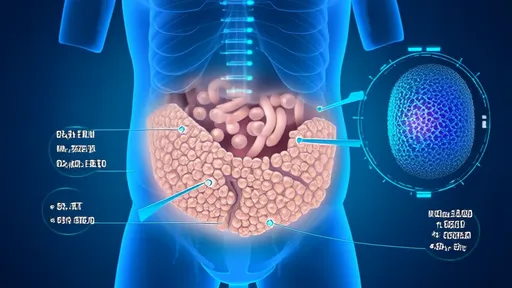
The science behind cryolipolysis involves controlled cooling to target and destroy fat cells beneath the skin. The theory is that fat cells are more susceptible to cold temperatures than surrounding tissues. Once frozen, these cells undergo apoptosis (cell death) and are gradually flushed out by the body’s lymphatic system. However, this process isn’t as precise as it seems. The applicators used in the procedure can sometimes affect nerves, blood vessels, or even surrounding tissues, leading to unintended damage.
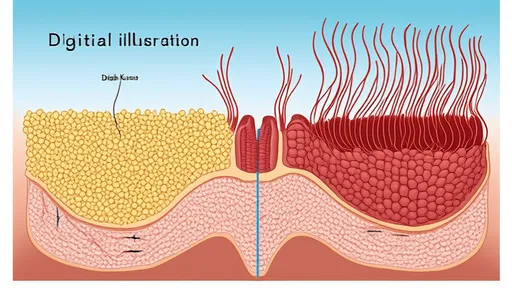
One of the most alarming risks is paradoxical adipose hyperplasia (PAH), a condition where treated fat cells expand rather than shrink. This rare but serious side effect results in hardened, bulging areas that often require surgical correction. While manufacturers claim PAH is "extremely rare," studies suggest it may be underreported due to lack of long-term data. Patients are rarely warned about this possibility during consultations.
The Pain Factor and Nerve Damage
Unlike surgical liposuction, cryolipolysis is marketed as a "pain-free" alternative. But many patients report intense discomfort during and after the procedure. The suction applicator can cause bruising, and the freezing process itself triggers a deep, aching pain that lasts for weeks. Some describe it as similar to severe muscle soreness or even frostbite. In worst-case scenarios, improper cooling can lead to nerve damage, resulting in prolonged numbness or altered sensation in treated areas.
Another overlooked risk is post-procedure inflammation. The body recognizes frozen fat cells as damaged tissue, triggering an immune response. For some individuals, this leads to prolonged swelling, tenderness, or even small nodules under the skin. While these symptoms usually resolve, they can persist for months in certain cases, particularly in individuals with slower metabolisms or compromised lymphatic systems.
Long-Term Effects and Unknown Variables
Because cryolipolysis is relatively new (FDA-approved in 2010), long-term studies on its effects are limited. There’s no conclusive data on how repeated treatments might impact organ function or whether the body’s ability to process dead fat cells diminishes over time. Some experts theorize that overwhelming the lymphatic system with excessive cellular debris could strain the liver or kidneys, though this remains unproven.
Equally concerning is the psychological impact when results don’t meet expectations. Unlike surgical fat removal, cryolipolysis provides gradual, subtle changes—typically a 20-25% reduction in fat layer thickness per treatment. Many patients undergo multiple sessions hoping for dramatic transformations, only to face disappointment and additional expenses. This cycle can exacerbate body image issues, particularly when combined with the pressure of before-and-after marketing campaigns.
Who Should Avoid Cryolipolysis Altogether?
Certain health conditions significantly increase cryolipolysis risks. People with cryoglobulinemia (a disorder where proteins clump in cold temperatures) or paroxysmal cold hemoglobinuria (a rare blood condition) risk severe complications. Those with Raynaud’s syndrome may experience exacerbated symptoms in treated areas. Even common conditions like diabetes or poor circulation can impair healing and increase susceptibility to tissue damage.
Perhaps most dangerously, cryolipolysis is sometimes marketed to individuals with obesity as a weight-loss solution. This is a fundamental misuse of the technology. The procedure is designed for spot reduction in already slim individuals, not for significant weight reduction. Attempting to use it for major fat removal can lead to uneven results, skin laxity issues, and metabolic imbalances from rapid fat cell destruction.
The Financial and Ethical Considerations
From a cost perspective, cryolipolysis presents hidden financial risks. While individual sessions seem affordable compared to surgery, most patients require multiple treatments (often 2-3 per area) for noticeable results. When targeting several areas, costs quickly surpass traditional liposuction. Worse, many clinics use aggressive sales tactics, convincing clients to purchase expensive packages before assessing their initial response to treatment.
Ethically, the beauty industry’s promotion of cryolipolysis raises questions. By framing fat reduction as a simple, risk-free process, marketers obscure the biological complexity of human bodies. This perpetuates unrealistic beauty standards while capitalizing on insecurities. The lack of standardized training for practitioners further compounds these issues—technician errors in applicator placement or cooling duration can lead to burns, uneven results, or worsened contours.
Making an Informed Decision
For those considering cryolipolysis, thorough research is essential. Consult board-certified dermatologists or plastic surgeons—not medspa technicians—for honest assessments. Ask to see unretouched before-and-after photos of actual patients, not stock images. Inquire about the practitioner’s experience with complications and their protocol for handling adverse effects. Most importantly, have realistic expectations; cryolipolysis reshapes contours slightly, it doesn’t transform bodies.
Alternative approaches like diet modification, strength training, or even accepting natural body variations may prove safer and more satisfying long-term. If opting for professional fat reduction, traditional liposuction—while invasive—offers more predictable results with fewer unknowns. As with any cosmetic procedure, understanding the risks empowers better decisions about whether freezing your fat is truly worth the potential consequences.
By /Aug 6, 2025
By /Aug 6, 2025
By /Aug 6, 2025
By /Aug 6, 2025

By /Aug 6, 2025

By /Aug 6, 2025

By /Aug 6, 2025

By /Aug 6, 2025
By /Aug 6, 2025

By /Aug 6, 2025

By /Aug 6, 2025

By /Aug 6, 2025
By /Aug 6, 2025

By /Aug 6, 2025

By /Aug 6, 2025

By /Aug 6, 2025

By /Aug 6, 2025

By /Aug 6, 2025

By /Aug 6, 2025

By /Aug 6, 2025