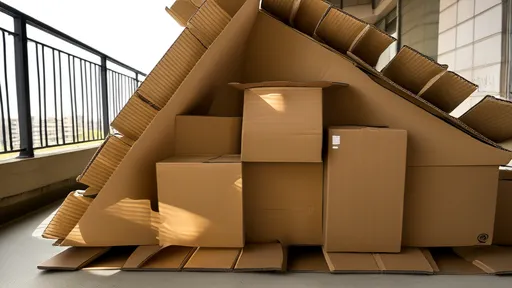
In the world of fitness and agility training, equipment often comes with a hefty price tag. However, a growing trend among DIY enthusiasts and budget-conscious athletes is repurposing everyday materials into functional workout tools. One such innovation involves transforming ordinary cardboard delivery boxes into agility ladders—a staple for speed and footwork drills. This creative approach not only saves money but also aligns with sustainable practices by giving packaging a second life.
The concept of an agility ladder is simple yet effective. Typically made from plastic or fabric, these ladders lie flat on the ground, creating a series of squares that users step through in various patterns to improve coordination, balance, and quickness. While commercial versions are readily available, their cost can be prohibitive for home users or small training groups. Enter the humble cardboard box: lightweight, durable enough for short-term use, and—most importantly—free for anyone who receives regular deliveries.
Building a cardboard agility ladder requires minimal tools and expertise. A sturdy box, a ruler or measuring tape, and a box cutter or scissors are all that’s needed. The process begins by cutting the box into long strips of equal width, typically around two inches, which will form the ladder’s rungs. The strips are then spaced evenly—usually 12 to 18 inches apart—and secured to the ground or a flat surface using tape or adhesive. For added stability, some creators reinforce the rungs with additional layers of cardboard or glue.
What makes this DIY project particularly appealing is its adaptability. Unlike rigid commercial ladders, a cardboard version can be easily adjusted for different skill levels or space constraints. The rung spacing can be modified to challenge beginners or accommodate advanced drills, and the entire ladder can be rolled up for storage or transport. For parents or coaches working with children, the lightweight design reduces the risk of injury while still providing the same training benefits as traditional equipment.
Sustainability is another compelling advantage of this approach. Cardboard waste is a significant environmental concern, with millions of tons ending up in landfills each year. By repurposing delivery boxes into fitness tools, users extend the material’s lifecycle and reduce their ecological footprint. Some fitness communities have even organized “cardboard agility ladder challenges,” encouraging participants to share their creations online and inspire others to rethink waste.
Of course, cardboard agility ladders aren’t without limitations. They lack the durability of commercial products, particularly in outdoor or high-intensity settings. Rain, moisture, or repeated heavy use can cause the material to warp or break down. However, for indoor workouts, casual training, or temporary setups, they offer a surprisingly effective alternative. Many users report getting weeks or even months of use from a single ladder before needing to replace it—a small trade-off for the cost savings and environmental benefits.
The trend has gained traction in home gyms, school PE programs, and even professional sports training facilities looking to reduce equipment costs. Social media platforms are filled with tutorials and testimonials from athletes who swear by their DIY ladders. One viral video featured a soccer coach demonstrating how his team’s cardboard ladder performed just as well as the expensive version during preseason drills. Comments flooded in from parents and trainers eager to try the idea themselves.
Beyond practicality, there’s something inherently satisfying about building your own workout gear. The process fosters creativity and problem-solving, turning a mundane task like unpacking deliveries into an opportunity for innovation. For fitness beginners intimidated by complex equipment, a homemade ladder provides a low-pressure entry point into agility training. The psychological barrier to exercise often includes perceived financial hurdles, and solutions like this help dismantle that obstacle.
As the fitness industry continues to explore affordable and eco-friendly alternatives, the cardboard agility ladder stands out as a prime example of ingenuity meeting necessity. It challenges the notion that effective training requires expensive gear and proves that with a little creativity, even the most ordinary objects can become tools for improvement. Whether you’re a seasoned athlete or just starting your fitness journey, this DIY project offers a compelling way to enhance your workouts while keeping both your budget and the planet in mind.
By /Aug 6, 2025

By /Aug 6, 2025
By /Aug 6, 2025

By /Aug 6, 2025

By /Aug 6, 2025
By /Aug 6, 2025

By /Aug 6, 2025
By /Aug 6, 2025

By /Aug 6, 2025

By /Aug 6, 2025

By /Aug 6, 2025

By /Aug 6, 2025

By /Aug 6, 2025

By /Aug 6, 2025

By /Aug 6, 2025

By /Aug 6, 2025

By /Aug 6, 2025

By /Aug 6, 2025

By /Aug 6, 2025

By /Aug 6, 2025