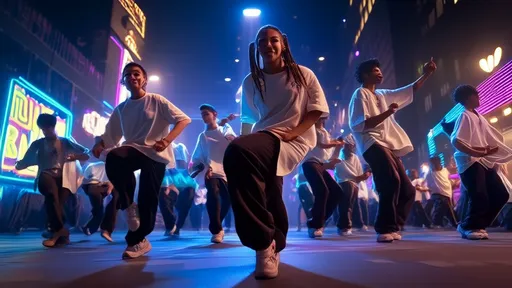
The world of fitness is constantly evolving, and one of the latest trends to capture the attention of enthusiasts is divine music beat training. This innovative approach combines rhythmic movement with spiritual or high-energy music, creating a workout that feels more like a dance party than traditional exercise. Unlike conventional routines, this method focuses on syncing movements to the beat of specially curated tracks, often referred to as "divine music" for their uplifting and motivational qualities.
At its core, divine music beat training is about harnessing the power of rhythm to enhance physical performance. The carefully selected tracks are not just background noise; they serve as the foundation for each movement. When participants align their exercises with the music's tempo, they often find themselves pushing harder and longer than they would in silence. This synchronization creates a flow state where time seems to disappear, and the workout becomes almost meditative.
The benefits of this training style extend beyond just physical exertion. Many participants report experiencing a profound sense of joy and connection during these sessions. The combination of uplifting melodies and coordinated movement triggers the release of endorphins, creating what some describe as a "natural high." This emotional component is what sets divine music beat training apart from other workout formats – it's not just about burning calories, but about nourishing the soul.
Instructors who specialize in this method spend considerable time crafting the perfect playlist. Each track is chosen not just for its beat, but for its ability to inspire and energize. The music typically features powerful vocals, driving rhythms, and lyrics that carry positive messages. These elements work together to create an immersive experience that keeps participants engaged from warm-up to cool-down.
What makes this approach particularly effective is its adaptability to different fitness levels. Beginners can follow along with simpler movements timed to the beat, while advanced participants can challenge themselves with more complex choreography. The music serves as both guide and motivator, helping everyone in the class stay on track regardless of their individual capabilities.
The social aspect of divine music beat training shouldn't be overlooked. Group classes often develop a strong sense of community as participants bond over shared experiences. There's something uniquely powerful about moving in unison to inspiring music that breaks down barriers and creates connections. Many regular attendees say the friendships formed in these classes are just as valuable as the physical benefits.
From a physiological perspective, training to music with a strong beat offers several advantages. The consistent rhythm helps regulate breathing patterns and movement pace, which can improve endurance. Studies have shown that exercising to music can increase workout duration by up to 15% while making the effort feel less strenuous. This phenomenon, known as "dissociation," allows participants to push through fatigue by focusing on the music rather than their discomfort.
The mental health benefits are equally impressive. In our fast-paced world, many people struggle to quiet their minds during traditional workouts. Divine music beat training provides a solution by offering a focal point – the rhythm – that helps quiet mental chatter. Participants often describe these sessions as moving meditation, where the combination of music and movement creates a rare state of present-moment awareness.
As this training method gains popularity, fitness centers worldwide are incorporating it into their class offerings. Some studios have even created specialized spaces with enhanced sound systems and lighting to amplify the experience. The demand continues to grow as word spreads about this joyful approach to fitness that doesn't feel like work but delivers real results.
For those looking to try divine music beat training at home, numerous online platforms now offer guided sessions. The key is to start with music that genuinely moves you – tracks that make you want to move without thinking. Many instructors recommend beginning with slower tempos and gradually working up to faster beats as coordination improves. The most important thing is to let go of perfection and simply enjoy the rhythm.
Nutritionists have noted an interesting side effect of this training style – many participants naturally gravitate toward healthier eating habits after adopting the practice. The positive mindset cultivated during sessions seems to extend to other areas of wellness. This holistic impact suggests that divine music beat training might be more than just another fitness trend, but rather a sustainable lifestyle approach.
The future of this movement looks bright as research continues to explore the science behind music-enhanced workouts. Early studies indicate that the right music can not only improve performance but also accelerate recovery. Some gyms are experimenting with post-workout playlists designed to lower heart rates and promote relaxation, creating a complete musical fitness experience.
What began as a niche approach has blossomed into a global phenomenon, attracting everyone from casual exercisers to professional athletes. The universal language of music combined with the primal appeal of movement to rhythm makes divine music beat training accessible to people across cultures and age groups. As more people discover this joyful path to fitness, it's likely to remain a staple in the wellness world for years to come.
For fitness professionals looking to incorporate this method, certification programs are now available to teach the unique skills required. These go beyond typical personal training courses, delving into music theory, rhythm analysis, and the psychology of motivational music. The most successful instructors are those who can read a room and adjust playlists on the fly to match the energy of their participants.
The beauty of divine music beat training lies in its simplicity. At its heart, it's about returning to the basic human joy of moving to music – something our ancestors have done for millennia. In our modern, often sedentary lives, this practice offers a way to reconnect with that primal pleasure while reaping significant health benefits. It's exercise that doesn't feel like exercise, and that may be the secret to its growing appeal.
By /Aug 6, 2025

By /Aug 6, 2025

By /Aug 6, 2025

By /Aug 6, 2025
By /Aug 6, 2025

By /Aug 6, 2025
By /Aug 6, 2025

By /Aug 6, 2025
By /Aug 6, 2025

By /Aug 6, 2025

By /Aug 6, 2025

By /Aug 6, 2025

By /Aug 6, 2025
By /Aug 6, 2025

By /Aug 6, 2025

By /Aug 6, 2025
By /Aug 6, 2025
By /Aug 6, 2025
By /Aug 6, 2025
By /Aug 6, 2025