The concept of muscle-fat transformation has long been a subject of fascination and debate in the fields of physiology and fitness. While the idea that muscle can directly turn into fat—or vice versa—has been widely circulated in gym lore, the biological reality is far more nuanced. Understanding the mechanisms behind these processes requires a deeper dive into how the body stores energy, builds tissue, and adapts to changes in activity and nutrition.
The Myth of Direct Conversion
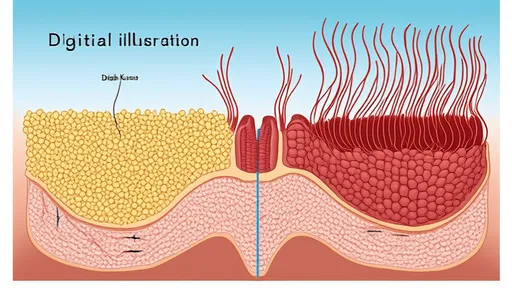
One of the most persistent myths in fitness culture is the belief that muscle can morph into fat when a person stops exercising. This oversimplification ignores the fundamental differences between these two types of tissue. Muscle and fat are composed of entirely different cell types with distinct functions. Skeletal muscle is made up of long, contractile fibers designed for movement, while adipose tissue consists of fat cells that store energy in the form of triglycerides. The idea that one can spontaneously transform into the other is biologically implausible.
What actually happens when an active person becomes sedentary is a gradual shift in body composition. Without regular strength training, muscle fibers begin to atrophy due to disuse, leading to a decrease in lean mass. At the same time, if caloric intake remains the same or increases while activity levels drop, the excess energy is stored as fat. This simultaneous loss of muscle and gain of fat creates the illusion of transformation, but it’s really just two separate processes occurring in parallel.
The Role of Metabolism
Metabolism plays a crucial role in how the body manages muscle and fat. Muscle tissue is metabolically active, meaning it burns calories even at rest. The more muscle mass a person has, the higher their basal metabolic rate (BMR). When muscle is lost, BMR decreases, making it easier to gain fat if dietary habits don’t adjust accordingly. This metabolic shift explains why former athletes or highly active individuals often struggle with weight gain when they reduce their training intensity.
Conversely, the notion that fat can turn into muscle through exercise is equally misleading. Fat loss and muscle growth are independent processes that can happen simultaneously, but one does not become the other. Resistance training stimulates muscle protein synthesis, leading to hypertrophy, while a caloric deficit forces the body to tap into fat stores for energy. The interplay between diet and exercise determines whether the scale tips toward fat loss, muscle gain, or a combination of both.
Hormonal Influences
Hormones act as key regulators in the balance between muscle and fat. Testosterone, growth hormone, and insulin-like growth factor (IGF-1) promote muscle growth, while cortisol, the stress hormone, can accelerate muscle breakdown and fat storage, particularly in the abdominal region. Hormonal imbalances—whether due to aging, stress, or medical conditions—can disrupt this equilibrium, making it harder to maintain or build muscle while keeping fat at bay.
For example, as men age, declining testosterone levels contribute to sarcopenia, the gradual loss of muscle mass, often accompanied by an increase in body fat. Women, particularly during menopause, experience similar shifts due to changes in estrogen and progesterone. These hormonal changes underscore the importance of tailored nutrition and resistance training to mitigate unwanted changes in body composition.
Nutritional Strategies
Diet is the linchpin in managing muscle and fat. Protein intake is critical for preserving lean mass, especially during weight loss. Without adequate protein, the body may break down muscle tissue for amino acids, undermining metabolic health and physical performance. Healthy fats and complex carbohydrates also play roles in hormone production and energy balance, respectively.
Bulking and cutting cycles, popular among bodybuilders, illustrate how deliberate manipulation of calories and macronutrients can influence muscle and fat. During a bulk, a caloric surplus combined with heavy lifting promotes muscle growth, though some fat gain is inevitable. The subsequent cutting phase involves a caloric deficit to shed fat while striving to retain hard-earned muscle. This cyclical approach highlights the body’s inability to simultaneously maximize muscle growth and fat loss efficiently.
Practical Implications
For the average person, the takeaway is clear: maintaining muscle mass requires consistent resistance training and sufficient protein, while managing fat involves balancing calories in versus calories out. Extreme diets or sudden drops in activity can lead to muscle loss and fat gain, creating a frustrating cycle. Instead, gradual adjustments to diet and exercise yield more sustainable results.
Ultimately, the muscle-fat "transformation" is a myth, but the dynamic relationship between these tissues is real. By understanding the science behind body composition, individuals can make informed choices to achieve their health and fitness goals without falling prey to misconceptions.
By /Aug 6, 2025
By /Aug 6, 2025

By /Aug 6, 2025
By /Aug 6, 2025

By /Aug 6, 2025

By /Aug 6, 2025

By /Aug 6, 2025

By /Aug 6, 2025
By /Aug 6, 2025

By /Aug 6, 2025

By /Aug 6, 2025

By /Aug 6, 2025

By /Aug 6, 2025

By /Aug 6, 2025

By /Aug 6, 2025

By /Aug 6, 2025

By /Aug 6, 2025

By /Aug 6, 2025

By /Aug 6, 2025

By /Aug 6, 2025