The concept of a critical point in stretching duration has emerged as a pivotal factor in understanding human performance, injury prevention, and athletic training methodologies. While stretching has long been recognized as essential for flexibility and mobility, recent research delves deeper into the precise timing that separates beneficial effects from potential harm or diminished returns.
Scientists have observed that the relationship between stretching duration and its effects isn't linear. Instead, there appears to be a threshold—a critical point—beyond which additional stretching either provides no further benefit or may even become counterproductive. This threshold varies depending on factors such as muscle group, individual physiology, and the type of stretching performed.
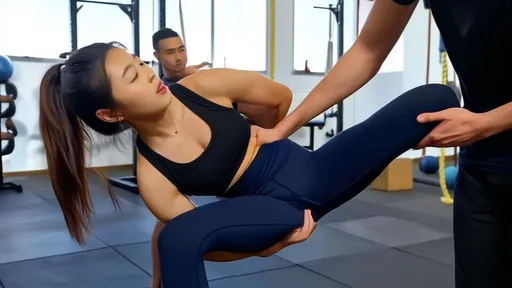
Static stretching, where a position is held for an extended period, demonstrates particularly clear critical duration effects. Studies indicate that holding a stretch beyond approximately 60 seconds doesn't significantly increase range of motion but may temporarily reduce muscle strength and power output. This has important implications for athletes who incorporate stretching into their warm-up routines.
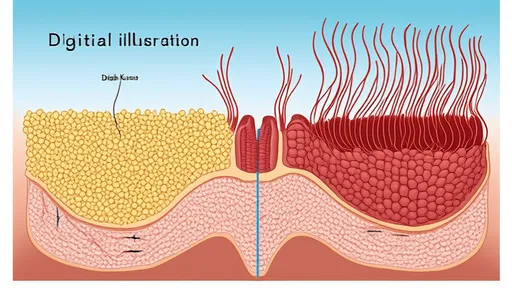
The mechanisms behind this phenomenon involve both neurological and structural components. When a muscle is stretched for too long, the nervous system may interpret this as potential damage, triggering protective mechanisms that actually increase stiffness. Simultaneously, at the cellular level, prolonged stretching can temporarily disrupt the alignment of muscle fibers and connective tissue.
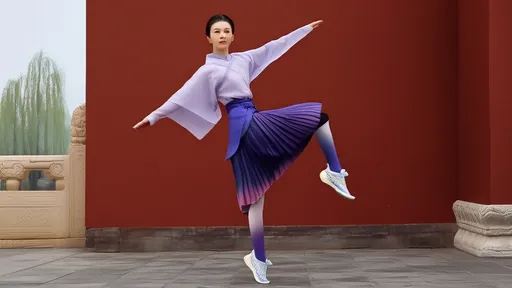
Dynamic stretching, involving movement through a range of motion, appears to have a different critical duration profile. While less research exists on exact timing thresholds, evidence suggests that dynamic stretches become most effective when performed for specific durations that allow sufficient movement repetition without causing fatigue or coordination breakdown.
Rehabilitation specialists have begun applying these findings to injury recovery protocols. For patients recovering from muscle or tendon injuries, identifying and respecting the critical stretching duration can mean the difference between promoting healing and inadvertently causing microtrauma through overstretching damaged tissues.
The critical duration concept also extends to chronic flexibility training. While regular stretching over weeks and months can lead to lasting improvements in range of motion, exceeding optimal daily durations doesn't accelerate these adaptations and may delay recovery between sessions. This challenges the "more is better" approach that some flexibility enthusiasts traditionally adopted.
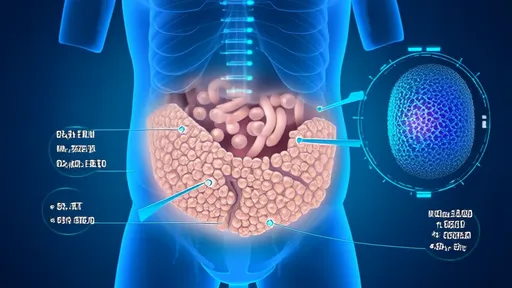
Emerging technologies are helping researchers pinpoint these critical thresholds more precisely. Advanced imaging techniques can now visualize real-time changes in muscle tissue during stretching, while wearable sensors track subtle alterations in muscle stiffness and neural responses. These tools are revealing that the critical point isn't fixed but fluctuates based on factors like temperature, hydration, and recent activity levels.
Practical applications of this research are already appearing in sports training facilities and physical therapy clinics. Coaches are redesigning warm-up protocols to include precisely timed stretching intervals, while therapists are developing duration-specific stretching prescriptions for different rehabilitation phases. The results include both improved performance outcomes and reduced injury rates among athletes.
As the science of stretching duration continues to evolve, it's becoming clear that the old adage "no pain, no gain" doesn't apply to flexibility training. Instead, the new paradigm emphasizes mindful attention to timing, recognizing that optimal results come from working with the body's natural physiological responses rather than against them.
The implications extend beyond athletic performance into general health and wellness. For office workers combating the effects of prolonged sitting or older adults maintaining mobility, understanding their personal stretching duration thresholds can help design more effective, time-efficient routines that deliver maximum benefit without unnecessary time investment.
Future research directions may explore how critical stretching durations change across different populations, from children to elderly individuals, and how they're affected by various health conditions. There's also growing interest in how these principles apply to animal models, potentially improving veterinary care and understanding of comparative physiology.
What remains clear is that the art and science of stretching is undergoing a significant transformation. The recognition of duration thresholds represents a maturation of our understanding, moving beyond simplistic recommendations toward personalized, evidence-based approaches. As this knowledge disseminates through training communities, it promises to reshape practices from professional sports to clinical rehabilitation and everyday fitness routines.
The critical duration concept also raises interesting questions about how we perceive time in relation to physical exercise. In an era where time efficiency is increasingly valued, knowing exactly how long to stretch—and when to stop—provides a valuable framework for optimizing health practices within busy modern lifestyles.
Ultimately, the discovery of stretching duration thresholds reminds us that in physiology as in life, timing is everything. The difference between benefit and detriment often lies not in the activity itself, but in its duration and application. This nuanced understanding marks an important step forward in sports science and preventive medicine alike.
By /Aug 6, 2025
By /Aug 6, 2025

By /Aug 6, 2025
By /Aug 6, 2025

By /Aug 6, 2025

By /Aug 6, 2025
By /Aug 6, 2025

By /Aug 6, 2025
By /Aug 6, 2025

By /Aug 6, 2025

By /Aug 6, 2025

By /Aug 6, 2025

By /Aug 6, 2025
By /Aug 6, 2025

By /Aug 6, 2025

By /Aug 6, 2025
By /Aug 6, 2025

By /Aug 6, 2025

By /Aug 6, 2025

By /Aug 6, 2025